Concrete Blade: How to choose the right blade
When it comes to cutting through concrete and cement, having the right concrete blade is crucial for achieving clean, precise cuts and ensuring the longevity of your tools. Selecting the appropriate saw blade for the job can significantly impact the efficiency and effectiveness of your cutting project. In this blog post, we will guide you through the key factors to consider when choosing a saw blade for concrete and cement cutting.
Know Your Blade Types
It's important to familiarize yourself with the different types of saw blades available for cutting concrete and cement. The two main types are diamond blades and abrasive blades.
Diamond Blades
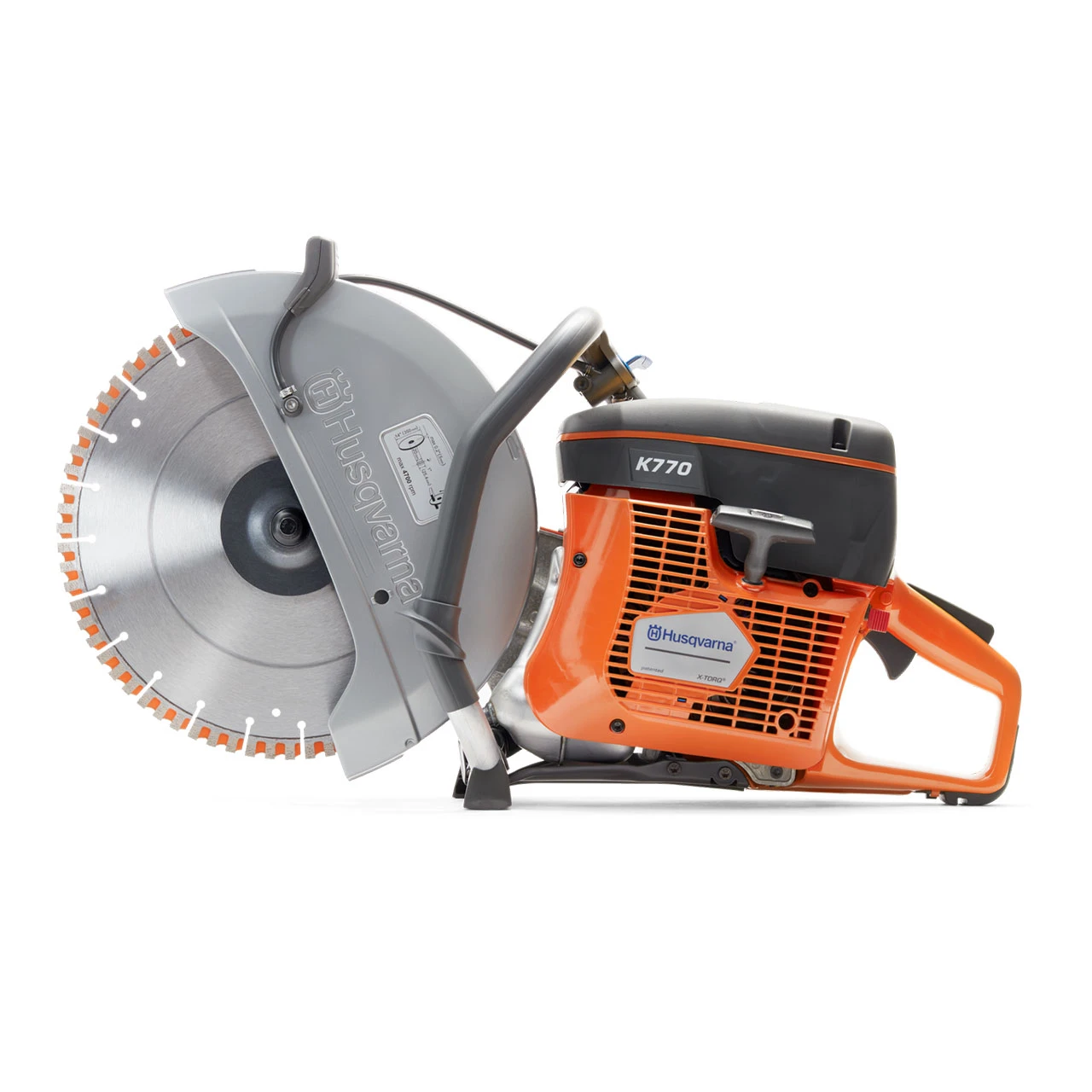
Diamond blades are the most common and widely used blades for cutting through concrete and cement. They feature synthetic diamond crystals embedded in the cutting edge, making them extremely durable and efficient. Diamond blades can be segmented or continuous rim blades, with segmented blades being better suited for aggressive cutting and continuous rim blades providing smoother cuts.
Shop diamond bladesAbrasive Blades
Abrasive blades, also known as masonry blades, are made of abrasive materials like silicon carbide. While not as durable as diamond blades, they are more cost-effective and can still handle concrete and cement cutting tasks. However, abrasive blades tend to generate more dust and produce rougher cuts compared to diamond blades.
Shop abrasive bladesAre You Up To The Task?
The specific cutting task at hand will play a significant role in determining the appropriate concrete blade for the job. Different cutting tasks may require different blade characteristics, such as cutting speed, cutting depth, and finish quality.
Wet Cutting
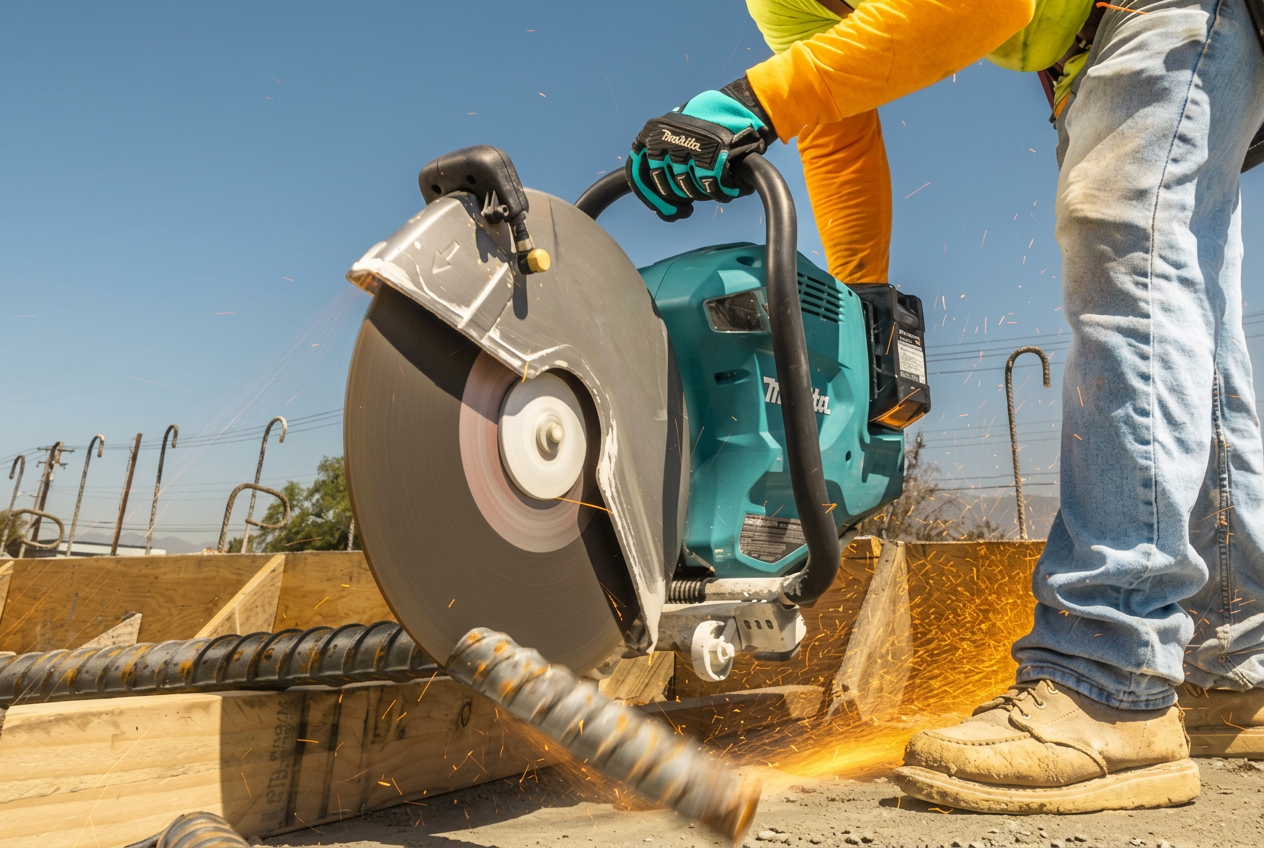
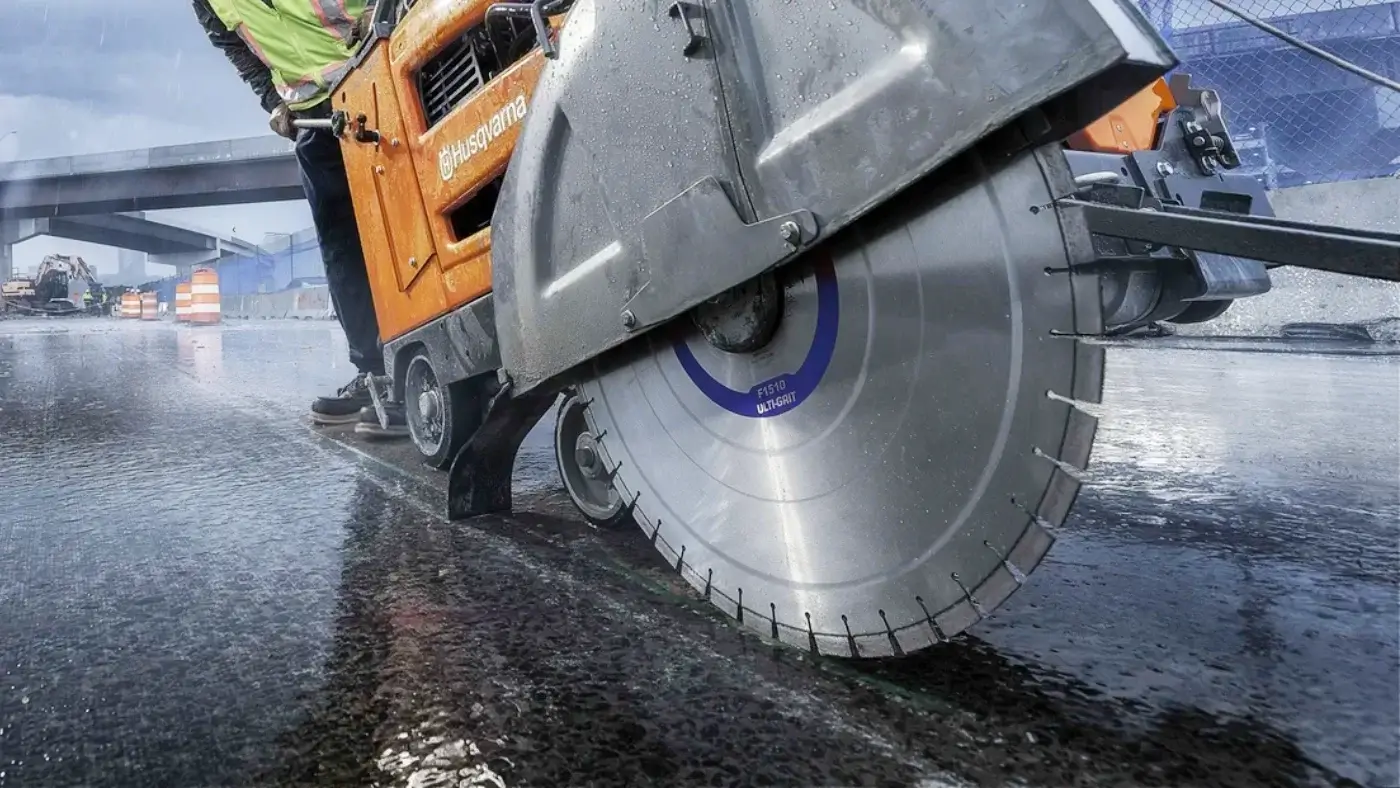
Wet cutting involves using water to cool down the blade and minimize dust. Diamond blades are well-suited for wet cutting applications as they can withstand the water exposure. Wet cutting is ideal for larger projects or tasks that require precise cuts and a smooth finish.
Dry Cutting
Dry cutting is performed without water, making it a more convenient option for smaller projects or tasks that do not require high precision. However, it's important to note that dry cutting with diamond blades can generate a significant amount of dust, which requires appropriate safety precautions.
Selecting The Right Blade Size
Blade Size
The concrete blade size and arbor size are crucial considerations to ensure compatibility with your saw equipment. The blade size refers to the diameter of the blade, which should match the saw's capacity and cutting depth requirements. Choosing the right size prevents excessive strain on the saw, minimizes the risk of accidents, and ensures optimal cutting performance.
Arbor Size
Similarly, the arbor size, which is the hole in the center of the blade, must match the size of the saw's arbor shaft. Using the wrong arbor size can lead to instability, vibration, and potential damage to both the blade and the saw.
Quality Is Important
The quality and durability of the saw blade are essential factors that directly impact its performance and lifespan. Investing in a high-quality blade will not only provide cleaner and smoother cuts but also save you money in the long run. Consider the following aspects when evaluating blade quality:
Diamond Concentration
For diamond blades, higher diamond concentration typically indicates superior cutting performance and longer blade life. Blades with a lower diamond concentration may wear out quickly and provide subpar results.
Core Material
Look for blades with a strong and sturdy core material that can withstand the rigors of cutting concrete and cement. A well-constructed concrete blade reduces the risk of warping, wobbling, or premature wear.
The Bond
The bond refers to the material that holds the diamond crystals in place. Different bonds are designed for specific cutting applications, so choose a blade with the appropriate bond for your project. Hard bonds are suitable for cutting soft materials, while soft bonds work well for hard materials.
Examining Segments And Grit
Segments
For segmented diamond blades, the number and design of the segments on the blade play a role in its cutting performance. The segments help dissipate heat and provide clearance for debris, ensuring efficient cutting and reducing the risk of blade binding.
Grit
Additionally, the grit of the blade determines the coarseness of the cut. Finer grits provide smoother finishes but may cut more slowly, while coarser grits offer faster cutting speeds but produce rougher finishes. Consider the desired finish quality and cutting speed when selecting the appropriate grit for your project.
For Your Consideration (And Safety)
Lastly, prioritize safety when choosing a saw blade for concrete and cement cutting. Always follow safety guidelines and wear appropriate protective equipment, including safety glasses, ear protection, and dust masks. Additionally, ensure that the saw blade you choose is suitable for the intended cutting task to minimize the risk of accidents and blade damage.
THE FINAL CUT
The Final Cut
Choosing the right concrete blade for cutting is essential for achieving accurate, clean cuts while maximizing the longevity of your tools. By understanding the different blade types, considering the cutting task, evaluating blade size and quality, and prioritizing safety, you can make an informed decision and optimize your cutting projects.
Remember to assess your specific needs, project requirements, and budget constraints when selecting the most suitable saw blade. Investing in a high-quality blade that matches your cutting task will not only save you time and effort but also ensure professional results and enhance your overall cutting experience.
Frequently Asked Questions
The right concrete blade — in stock and ready to ship
Best price guarantee — only at bladesasap.com!